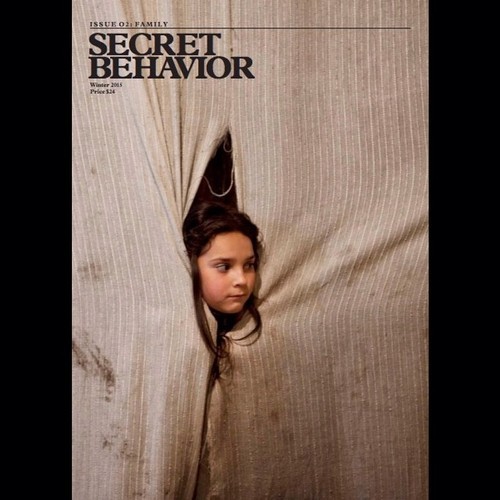
“Autocorrect” found a home.
“Autocorrect” found a home.
November 9, 1938
Dear Frances:
I’ve read the story carefully and, Frances, I’m afraid the price for doing professional work is a good deal higher than you are prepared to pay at present. You’ve got to sell your heart, your strongest reactions, not the little minor things that only touch you lightly, the little experiences that you might tell at dinner. This is especially true when you begin to write, when you have not yet developed the tricks of interesting people on paper, when you have none of the technique which it takes time to learn. When, in short, you have only your emotions to sell.
This is the experience of all writers. It was necessary for Dickens to put into Oliver Twist the child’s passionate resentment at being abused and starved that had haunted his whole childhood. Ernest Hemingway’s first stories ‘In Our Time’ went right down to the bottom of all that he had ever felt and known. In ‘This Side of Paradise’ I wrote about a love affair that was still bleeding as fresh as the skin wound on a haemophile.
The amateur, seeing how the professional having learned all that he’ll ever learn about writing can take a trivial thing such as the most superficial reactions of three uncharacterized girls and make it witty and charming—the amateur thinks he or she can do the same. But the amateur can only realize his ability to transfer his emotions to another person by some such desperate and radical expedient as tearing your first tragic love story out of your heart and putting it on pages for people to see.
That, anyhow, is the price of admission. Whether you are prepared to pay it or, whether it coincides or conflicts with your attitude on what is ‘nice’ is something for you to decide. But literature, even light literature, will accept nothing less from the neophyte. It is one of those professions that wants the ‘works.’ You wouldn’t be interested in a soldier who was only a little brave.
In the light of this, it doesn’t seem worth while to analyze why this story isn’t saleable but I am too fond of you to kid you along about it, as one tends to do at my age. If you ever decide to tell your stories, no one would be more interested than,
Your old friend,
F. Scott Fitzgerald
P.S. I might say that the writing is smooth and agreeable and some of the pages very apt and charming. You have talent—which is the equivalent of a soldier having the right physical qualifications for entering West Point.
–This is the bar this is how high, from The Atlantic

—Hugo Barros [via Secret Behavior]
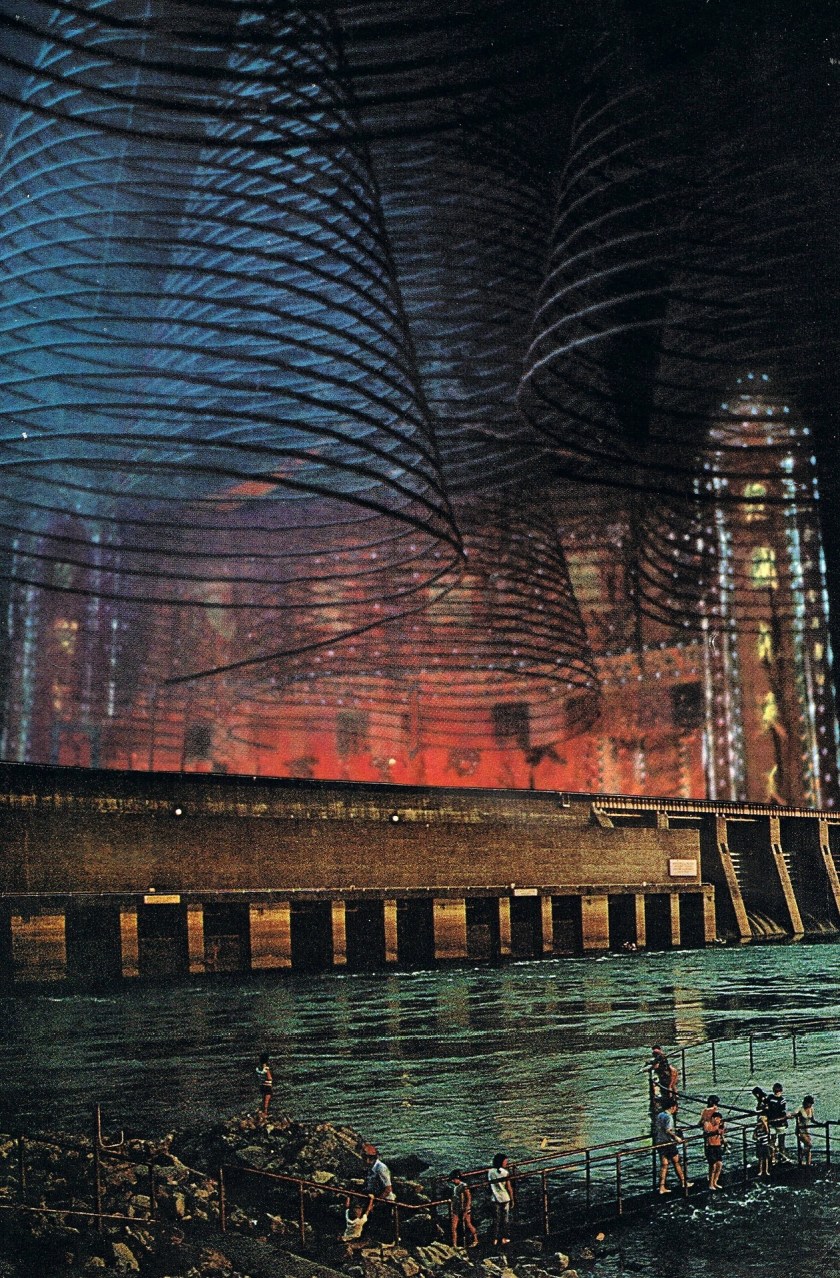
—Hugo Barros [via Secret Behavior]

—Hugo Barros [via Secret Behavior]
Have you forgotten what we were like then
when we were still first rate
and the day came fat with an apple in its mouth
it’s no use worrying about Time
but we did have a few tricks up our sleeves
and turned some sharp corners
the whole pasture looked like our meal
we didn’t need speedometers
we could manage cocktails out of ice and water
I wouldn’t want to be faster
or greener than now if you were with me O you
were the best of all my days
“…it’s that party where Bette Davis, Stan Kenton, Joan Crawford, all the characters are in Kwan’s basement, passing around a picture of Cary Grant with a dick in his mouth; Clark Gable’s there too, and he’s got Salvador Dali’s pet leopard curled up with him, and the leopard’s got his paws up on the buffet eating spare ribs; and there’s Count Basie, this black guy, in with all these other people—that’s America to me. They’re drinking Benzedrine tea and Dudley Smith’s smoking opium with the chinks. Fuck. What a time.”
—James Ellroy (by Christopher Wallace)
More from the Venkman School: “That’s where home is.”
—“Dangerous Days,” Zola Jesus
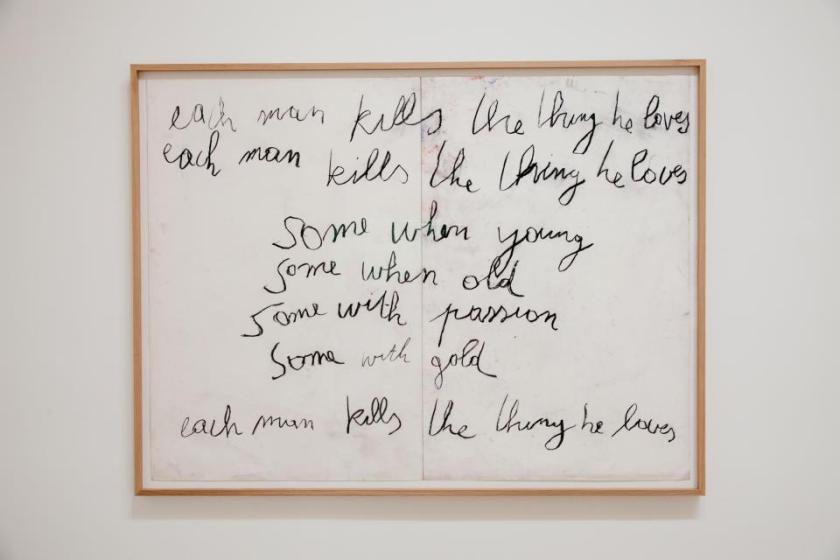

 Health + Youth